Throughput stated with SKU mix, order lines, replenishment, accumulation and the peak window length under test.
Rate inputs →Capture load units, SKU and order profiles, peak windows, WMS/WCS/PLC handshakes and acceptance evidence before capital commits. Dematic keeps evaluation tied to the material-flow map your distribution center actually runs.
Throughput stated with SKU mix, order lines, replenishment, accumulation and the peak window length under test.
Rate inputs →Command, confirmation, timeout, alarm and recovery ownership checked against the WMS/WCS/PLC matrix before shipment.
FAT path →End-to-end flow verified with installed geometry, live loads, exception cases and agreed fallback states.
SAT path →Diagnostics access, critical spares and recovery procedures documented before operational handover.
Service boundary →Dematic organizes product conversations around storage, conveying, robotics and the control layer that must own each handshake.

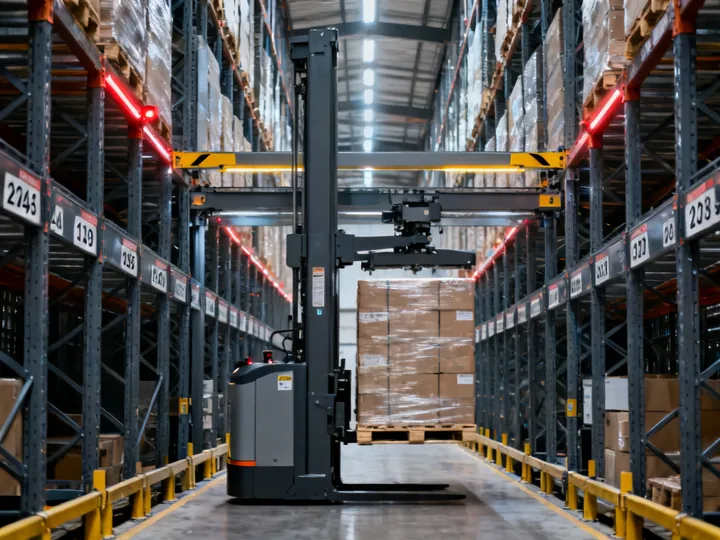
Selectivity, fire access, replenishment and crane or shuttle duty cycle reviewed against SKU velocity bands.

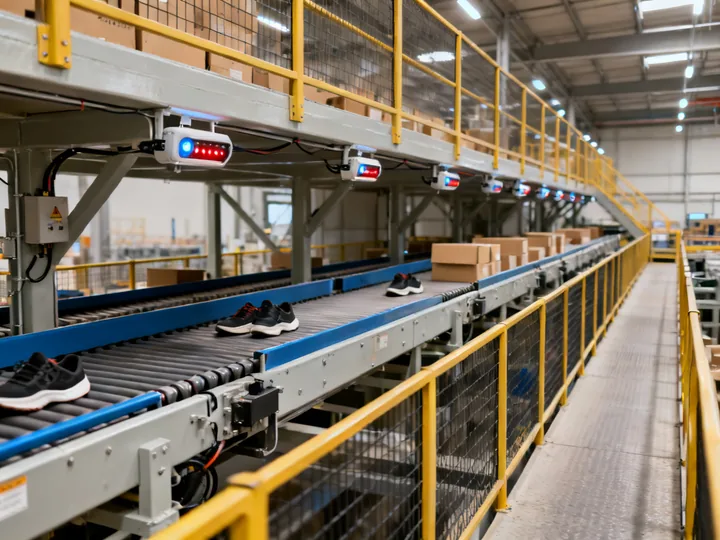
Merge logic, divert confirmation, recirculation and induction rates tied to wave release and destination capacity.

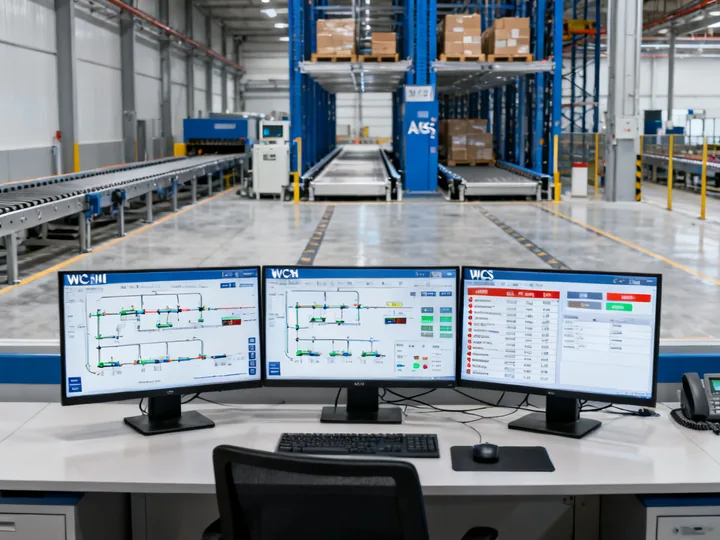
Responsibility matrices define who owns commands, retries, buffers and exception recovery across host and PLC layers.
These fields keep throughput, interfaces and site constraints in one review record instead of scattered slide decks.
| Load and order profile | |
|---|---|
| Load unit | Pallet, tote, carton or pouch dimensions, weight bands and overhang rules |
| SKU / order mix | Active SKU depth, lines per order, multi-line share and velocity classes |
| Peak window | Design rate, peak factor, duration and recovery time after backlog |
| Controls and site boundary | |
| Host interfaces | WMS, WCS, WES, PLC and fleet-management handshake states |
| Site constraints | Floor quality, aisle geometry, power, fire zones and brownfield cutover windows |
| Acceptance evidence | FAT/SAT cases, alarm ownership, spare parts and maintenance access |
High SKU depth and short cutoffs stress induction balance, sorter recirculation and WCS release logic during peak hours.
Store-order sequencing, mixed tote and pallet flows and temperature zones change buffer sizing and exception routing.
Line-side deliveries need takt alignment, load identity and a defined response when a workcell cannot receive material.
Traceability and controlled access must stay attached to physical handoffs, quarantine locations and recovery records.
Sensor behavior, maintenance access and battery or hydraulic duty cycles are reviewed at the stated temperature band.
Brownfield conveyors, shared docks and phased cutover windows define which automation layers can go live first.
Generic brochure rates stall decisions. Share the operating boundary so controls, mechanical and site teams can review the same record.
Contact engineering